Emery low titer oleic acids - greater liquidity at no extra cost.
[Alt Text]
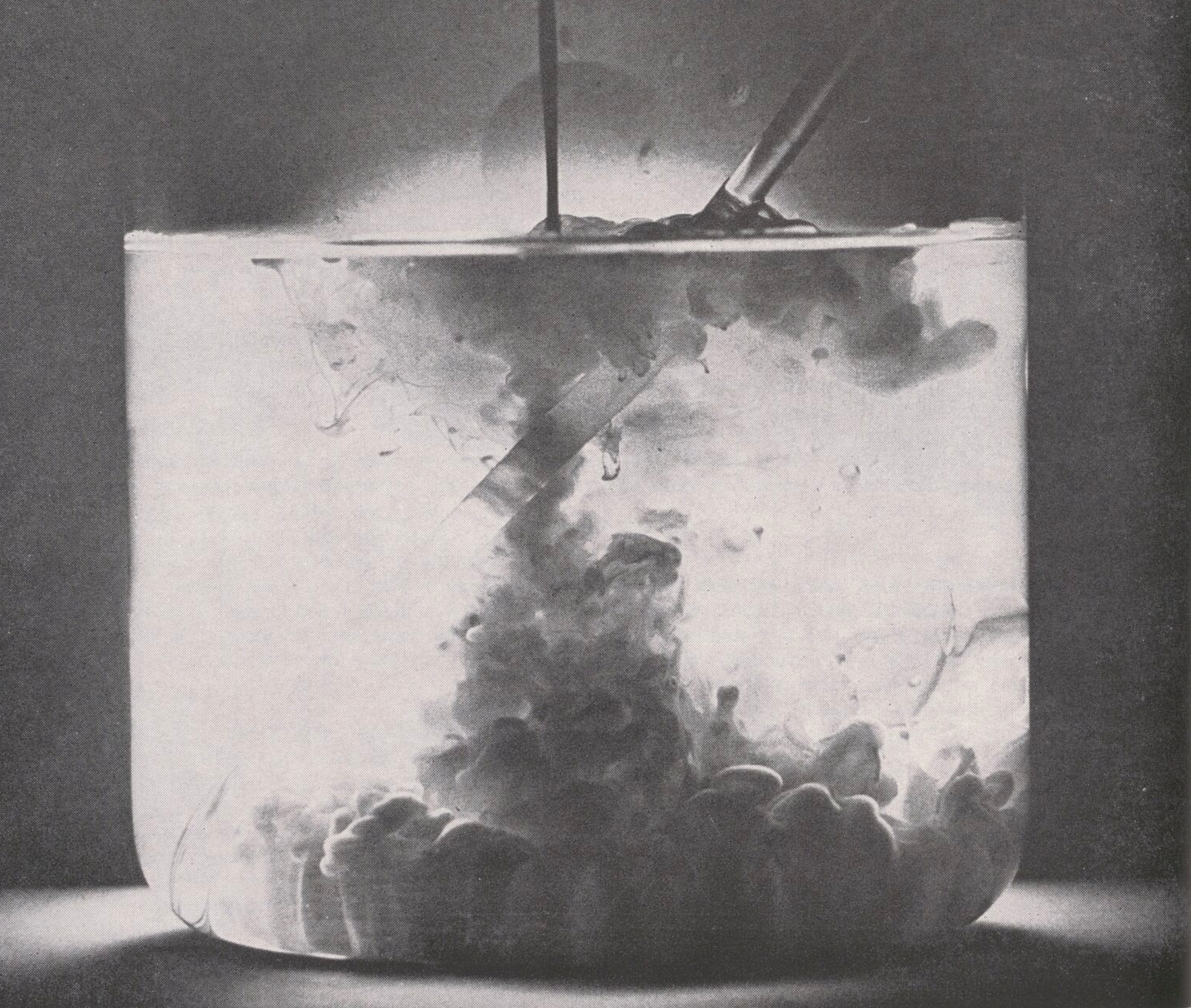
An image of two glass beakers embedded in a block of ice, left beaker pours a transluscent liquid, right beaker content solidified.
[Transcription]
(Image caption):
Frozen in a block of ice, an ester made from Emery low titer oleic acid still flows freely. Its counterpart, made from standard oleic, has solidified.
Emery low titer oleic acids—greater liquidity at no extra cost.
Low titer oleic acids from Emery Industries cost no more than standard grades. You can improve your oleic-based product by substituting a more liquid oleic acid without increasing your material cost one cent.
Low titer, high quality.
Small differences in titer translate to big differences in pour points and cloud points of intermediates. A glycerol monooleate made with Emery’s Emersol® 221 Low Titer Oleic Acid, for example, will have a pour point of about 15°F—half that of the same ester prepared with standard oleic. Similarly, sorbitan monooleate prepared with low titer oleic acid will have a cloud point of 16°F—fully 30 degrees less than the same compound made from standard oleic acid.
The greater liquidity these differences illustrate first of all means product improvements ranging from more creamy ice cream to better low temperature lubricant performance to bottled shelf goods that retain their clarity when temperatures drop. Secondly, it means less heat energy wasted to maintain liquidity during handling and storage.
Add to these benefits Emery’s consistent quality and on-time delivery in virtually any volume. To find out more, just use the coupon.
Stearic, palmitic, oleic, isostearic, pelargonic, capric, caprylic, lauric, myristic, azelaic, dimer and trimer acids, glycerine and methyl esters.
[Additional Notes]
Focuses on physical properties (liquidity, pour point) as drivers of “product improvement.”
Emphaize versatility by mentioning lubricants to ice cream and shelf goods (showing how the same chemical inputs underpin both industrial and food systems)
industrialization through emphasis on molecular differences making the economic value
Ultra-processed Foods:
Oleic acid derivatives (e.g., monooleates) are used as emulsifiers and stabilizers in processed foods
texture engineered chemically rather than through whole ingredients
emphasis on shelf stability and low-temperature performance
- Ad Title
- Emery low titer oleic acids - greater liquidity at no extra cost.
- Creator
- Emery Uncommon Chemicals
- Date
- 1979-10-10
- Type
- trade ad
- Periodical
- Chemical Week
- Volume
- 125
- Issue
- 2
- Page(s)
- 61